TL;DR

Several companies, different industries, one recurring insight: in B2B, nobody trusts a claim of expertise – they trust proof of it. Across these projects, the throughline was making the actual people behind the company visible, opinionated, and a little bit human, well before “personal branding” was a marketing buzzword.

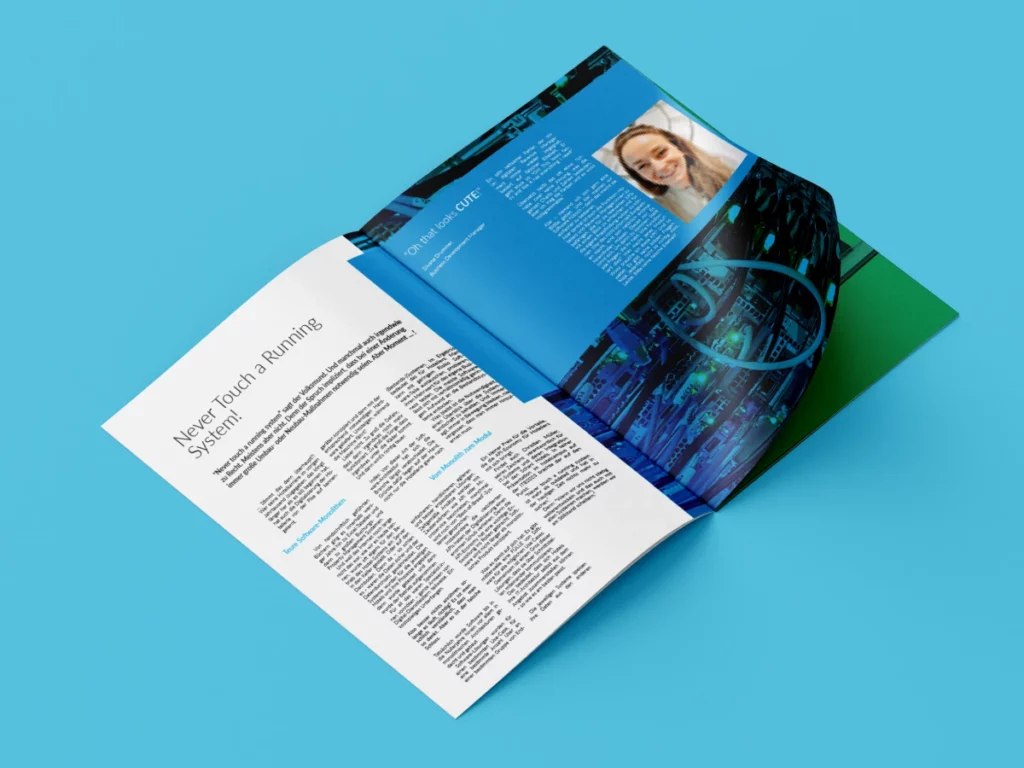
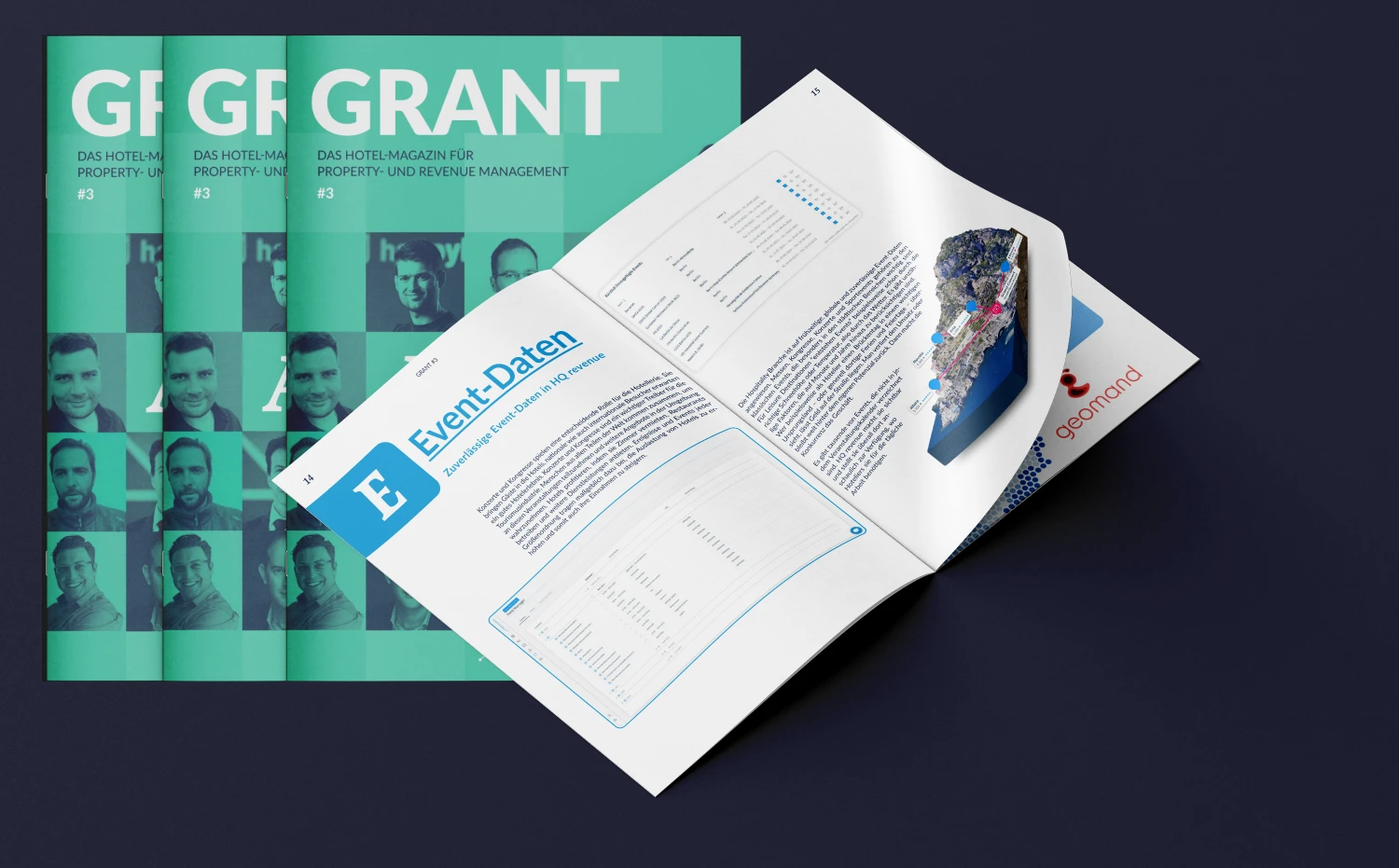
  • A hospitality tech company built a genuine print magazine – not a glossy brochure – to reach revenue managers who’d already logged off for the day
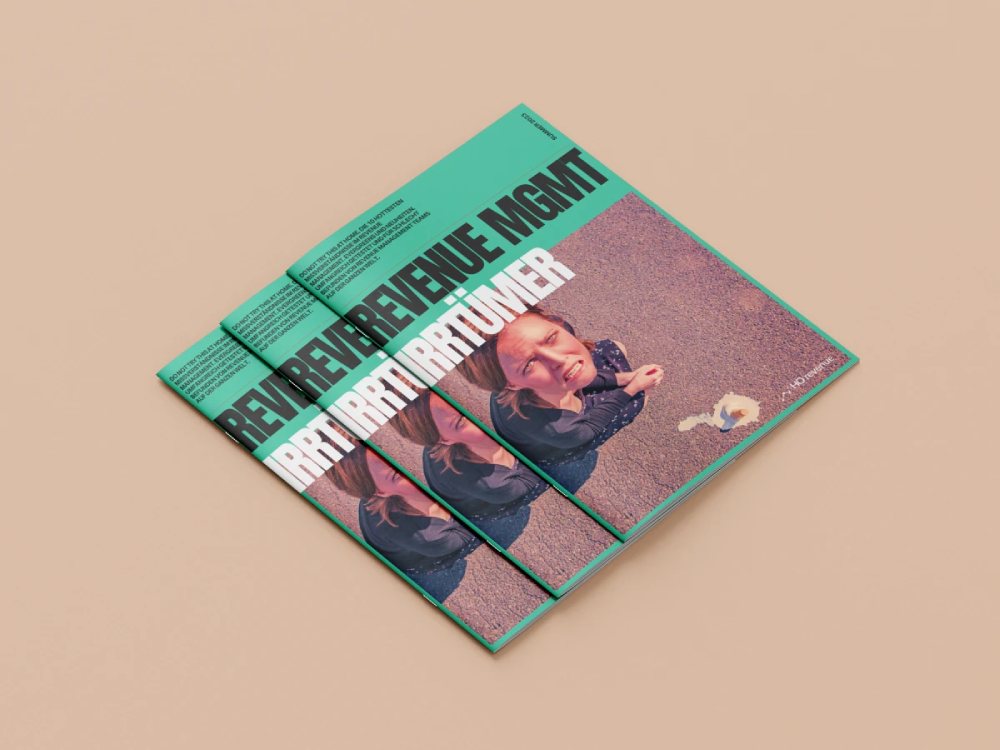
  • The same company turned a whitepaper about their own industry’s classic mistakes into a summer lead-generation engine, using failure and self-irony to build more credibility than any polished pitch could
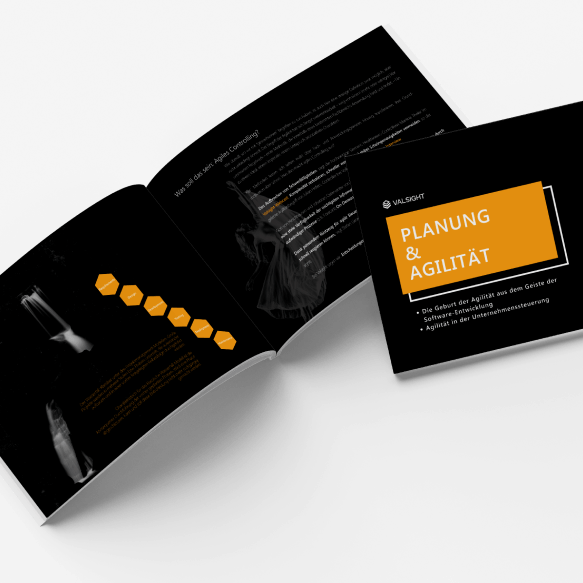
  • A boutique digital agency used a deep, almost-too-technical whitepaper to prove – rather than assert – that they actually knew their subject cold, turning a commoditized service into a trust-building “foot in the door”
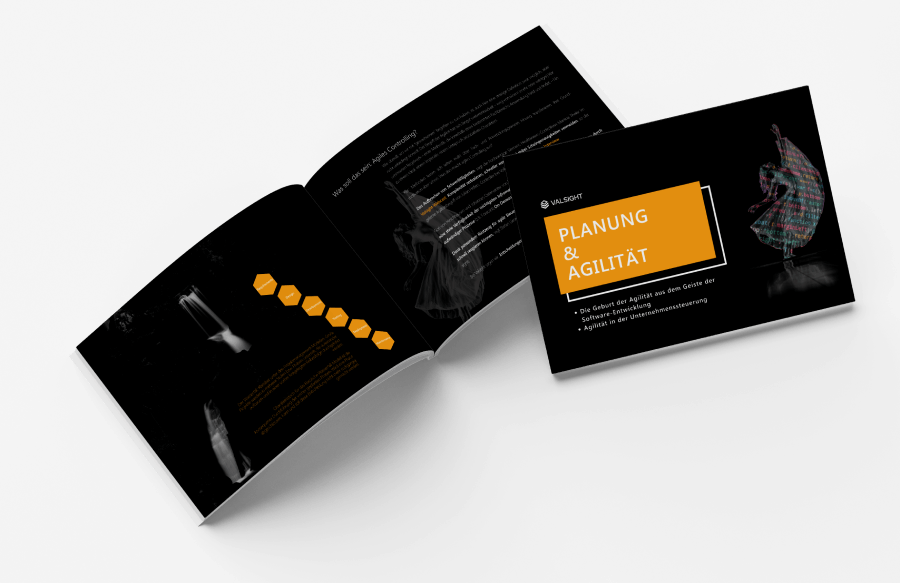
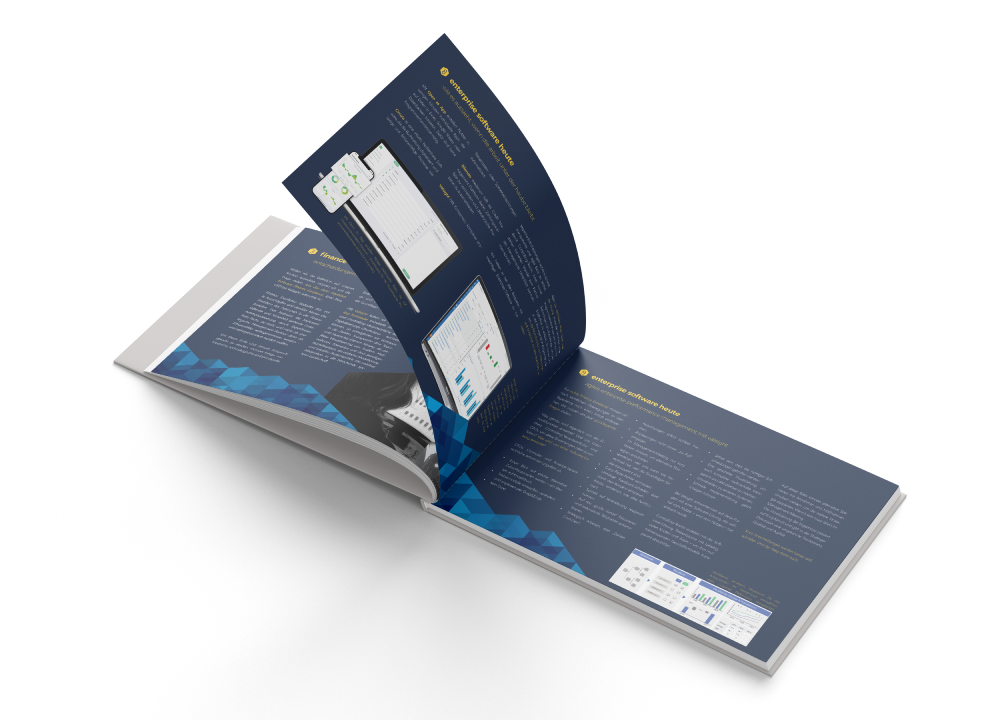
  • A B2B SaaS company in the finance sector used the same approach to demonstrate the enthusiasm-filled competence you need to stand out – in a field where enthusiasm might be the absolute last thing you would attribute people with

Clients

- B2B SaaS (Hospitality)
- B2B SaaS (Finance)
- Digital Agency (Enterprise)

Year

2017 – 2024

Scope

Research
Interviews
Editorial
Layout & Design
Print
Distribution

See Cases Below

Tech Used

Pen
Paper
Adobe InDesign
Adobe Photoshop
Canva
None of these leaned on generic thought-leadership content or borrowed authority from partners and logos. All of them worked because they put real expertise, real people, and real fallibility on display – and let the audience draw their own conclusion about who was worth trusting.

Client: SaaS / Hotel Revenue Management

Case 1: A Print Magazine for the Digital Industry

Revenue managers in hospitality are often digital first-movers – but after long days in front of screens in hotel control rooms, they switch off. Email marketing and social media campaigns largely bounced off this audience; the channels that usually work in B2B simply didn’t reach them here.

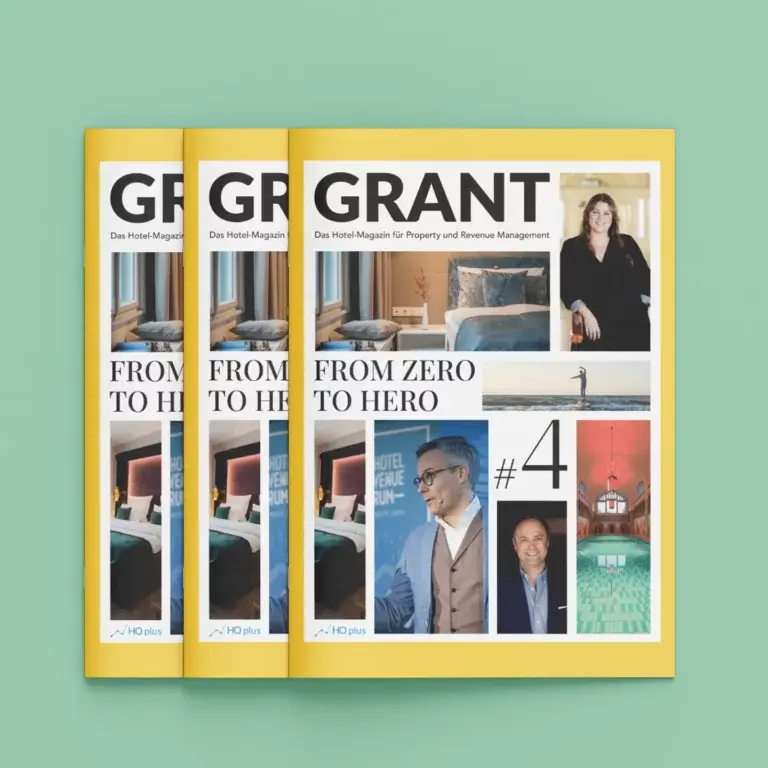
The answer was almost contrarian: go analog. Not a nicer brochure, but a genuine, high-quality print magazine – filled with content this specific, demanding audience actually found interesting, with room for them to contribute their own articles and claim thought leadership in their own name.

The result: the magazine, which went on to become an established quarterly print-and-digital publication, doubles as both an industry publication and a PR channel – partnerships and product news sit alongside genuine industry interviews and columns. The tight link between the print product and its digital presence keeps a steady stream of leads flowing directly into the sales pipeline.

Client: SaaS / Hotel Revenue Management

Case 2: A Whitepaper About Getting It Wrong

The challenge here was timing: generating leads during the summer lull, for an audience that’s either on vacation and deliberately unreachable, or working exactly where everyone else is on vacation – buried in work.

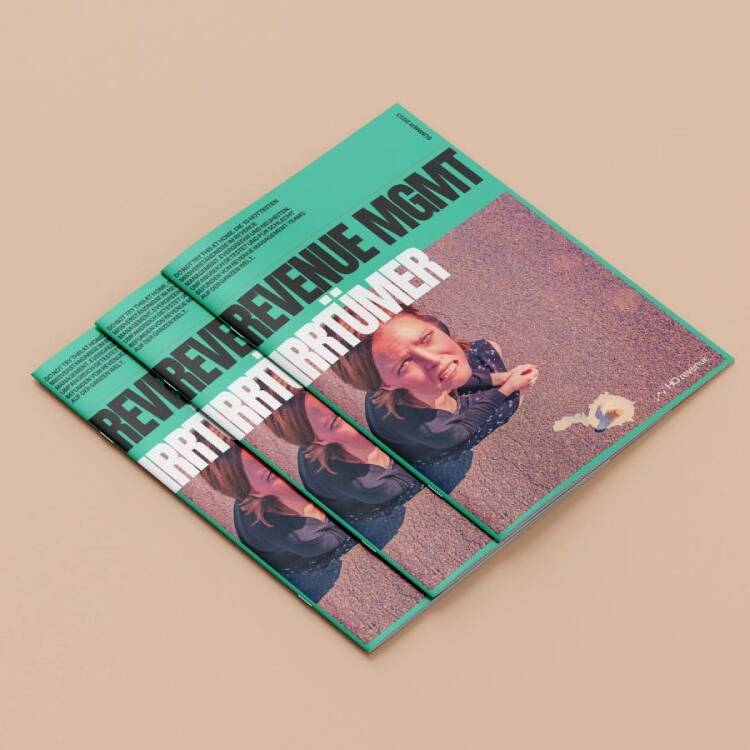
The idea was to borrow a format that had long gone out of fashion – the Fuck-Up Night, where founders swap stories about their most spectacular professional failures – and repurpose its core insight: nobody trusts someone who claims they’ve never gotten anything wrong. Demonstrated expertise is worth far more than an assertion of it, and knowing exactly where the common mistakes lie is the expertise.

The resulting whitepaper walked through classic revenue-management mistakes every hotelier has made at some point, paired with the company’s own take on the fix – each with a bit of self-aware humor rather than sales polish. In-house experts put their names to individual sections, giving each one another angle to use in customer conversations.

The result: built for reuse from day one, the project produced 23 content pieces and roughly 50 social media posts from a single editorial effort – filling what’s usually a dead quarter with genuine lead flow, and doing it with barely any competing content in the space.

Client: boutique digital agency

Case 3: A Technical Whitepaper as a Trust Exercise

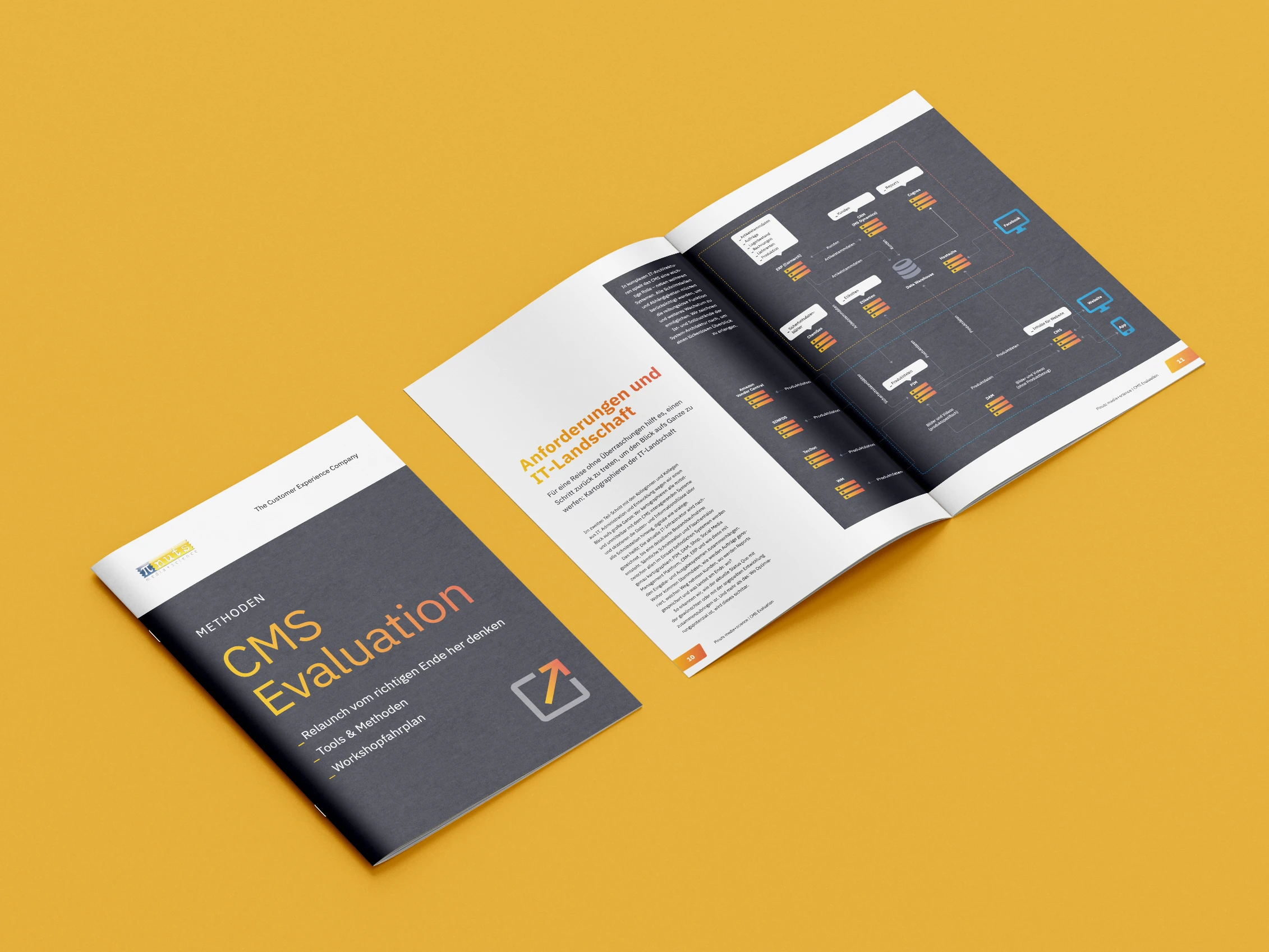
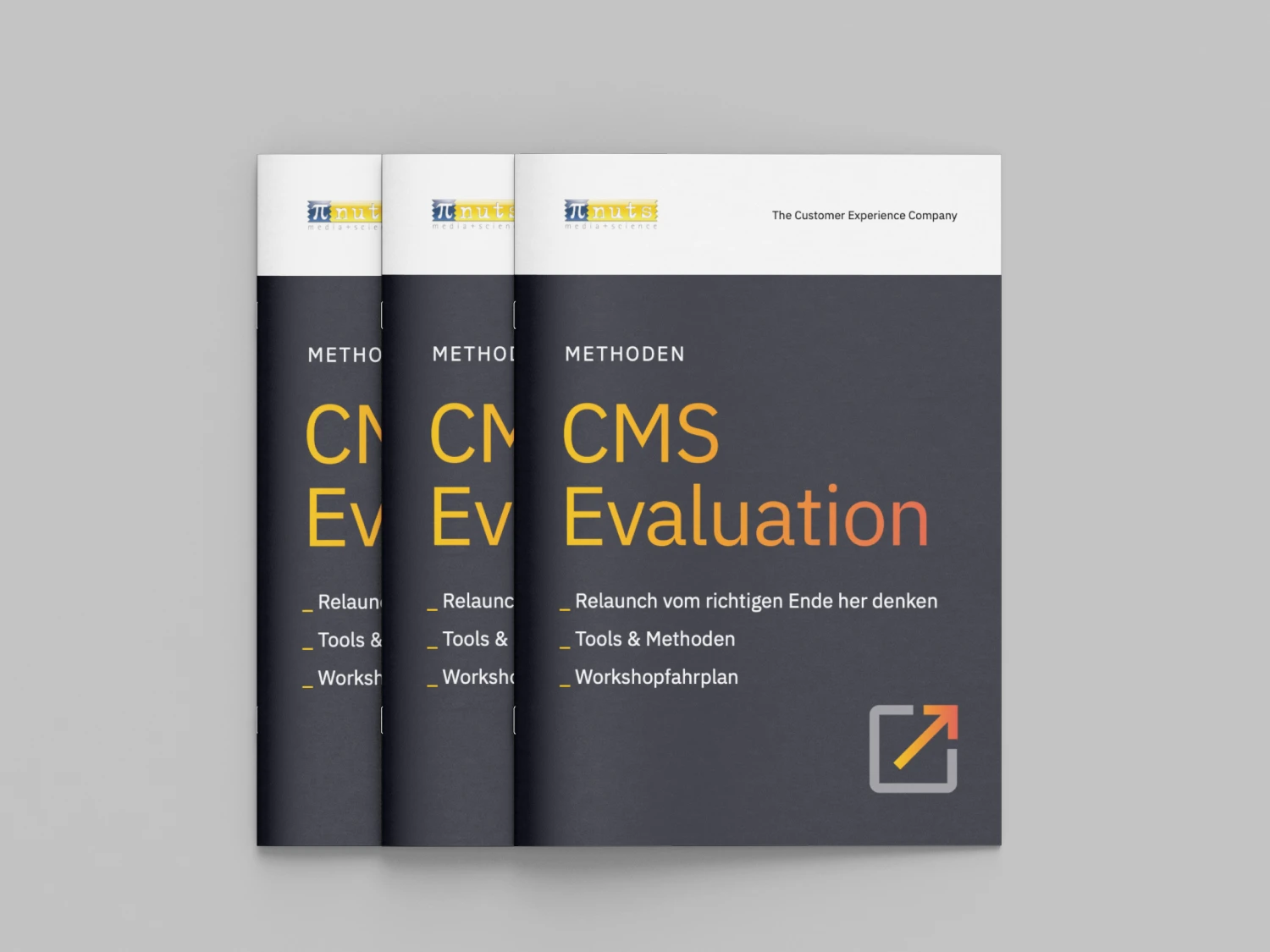
Client: Pinuts digital thinking – a boutique digital agency specializing in complex enterprise IT infrastructure, serving industrial groups, SMEs, municipal companies, and public authorities

One of the agency’s core services – CMS evaluation – is exactly the kind of offering that makes prospective clients suspicious: is this genuinely useful, or just a foot in the door? The honest answer was “yes, both” – so the strategy was to earn the trust rather than talk around the skepticism.

The whitepaper walked readers through the actual steps of a CMS evaluation, including some real theory (what actually is a “requirement” – and do requirements have requirements of their own? Spoiler: Yep.)

The challenge was making a genuinely technical subject readable without dumbing it down or making it feel like documentation. The result was colorful and a little playful, without undercutting the seriousness of the subject – and that combination did something useful on its own: anyone able to go this deep into the material and explain it this clearly reads, automatically, as a genuine expert.

There’s no partner content in it, almost no sales language, and the call-to-action is nearly invisible. The whole piece signals: we know exactly what we’re doing – reach out if you need it.

The result: organic lead numbers in the high hundreds during its original run – a very strong number for a genuinely niche B2B service. First published in 2018, the whitepaper has since been redesigned but is still actively used today, both digitally and as a printed brochure at events, and continues generating leads almost 10 years after its original release.

The Common Thread

Different industries, different formats, same underlying bet: showing your work – including the parts that are messy, technical, or unglamorous – builds more trust than any amount of polished self-description. In every case, the people behind the company became visible and specific, not hidden behind a brand voice – personal branding before it had a name.
TAGLINE

Privacy Preference Center