TL;DR

Two very different situations, one shared problem: a CEO who needed to become a recognizable, credible face — not just a name on a slide. In both cases, the fix wasn’t a bio page or a keynote script. It was putting the person on camera, in a format built around their actual personality rather than corporate messaging.

  • A fraud-analytics SaaS company reinventing itself needed its new CEO to shine at a partner conference, on a tight budget and with almost no control over the schedule … solved by over-engineering a small video crew to capture far more than just the keynote
  • A finance/controlling SaaS challenger needed to make their CEO and Finance team look approachable, not just competent, in one of B2B’s driest categories – solved with a filmed interview series that gave both the CEO and rising talent in the field room to actually be themselves


Both projects treated leadership visibility as a production problem, not a copywriting one: the goal wasn’t to describe the CEO as credible, but to put them in a situation where that credibility became obvious on its own.

Clients

- B2B SaaS (Hospitality)
- B2B SaaS (Finance)
- Digital Agency (Enterprise)

Year

2017 – 2024

Scope

Research
Interviews
Editorial
Layout & Design
Print
Distribution

See Cases Below

Tech Used

Pen
Paper
Adobe InDesign
Adobe Photoshop
Canva
None of these leaned on generic thought-leadership content or borrowed authority from partners and logos. All of them worked because they put real expertise, real people, and real fallibility on display – and let the audience draw their own conclusion about who was worth trusting.

Client: B2B SaaS, Fraud Analytics

Case 1: Making a B2B SaaS Conference Look (and Feel) Good

The company was mid-reinvention, with a new CEO who needed a strong first public moment – at a partner conference where the guest list, timing, and even the gaps between speaker slots were all still shifting right up until the day itself. Budget was tight, and parts of the mid-sized organization were openly skeptical of media production in general.

The approach was to over-resource on cameras rather than crew: more cameras than people operating them, with every segment planned to serve double duty. Interviews weren’t just interviews – they were shot to double as customer testimonials and case-study material later on. I ran the interviews myself, and the videographer was given as much creative freedom (and as much beer) as the day allowed.

The result: one full event film, twelve filmed interviews, a stack of social-ready photography, and three long production days – all delivered under budget. As a footnote: one particular guest speaker’s polished, almost broadcast-ready delivery ended up stealing the show entirely, which is its own reminder that sometimes the best CEO positioning is simply being in the room when someone else demonstrates what good communication looks like.

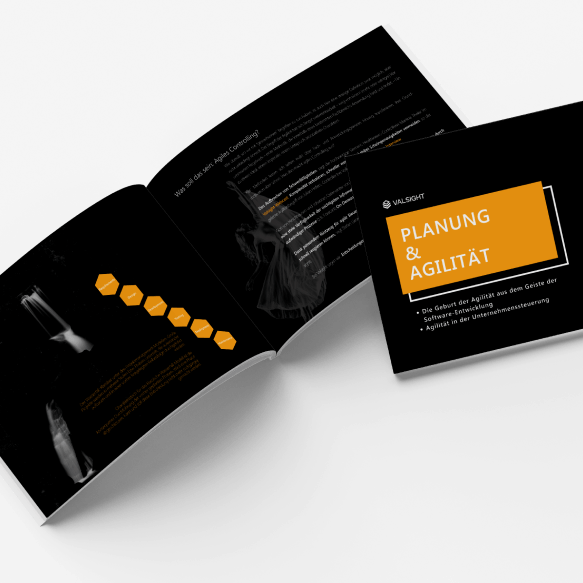
Client: Valsight – SaaS, Corporate Forecasting & Controlling · Clients include Siemens, Volkswagen, and Commerzbank

Case 2: Making Finance Transformation Watchable

Corporate controlling has a reputation problem: the stories are almost always told the same way – middle-aged men in slightly-too-formal suits talking about forecasting, scenario simulation, and why controllers deserve a seat at the strategy table. Technically accurate, thoroughly forgettable, and not exactly a format that makes a challenger brand stand out.

As a challenger in the controlling and finance software space, Valsight couldn’t change the underlying subject matter – but it could change how the story got told. The solution was a filmed interview series featuring CFOs and senior controlling leaders, deliberately produced with a more playful visual style and setting than the category’s usual conference-stage aesthetic. Junior voices in the field were given equal room in the series, not just the established names – turning it into more of an open format than a one-off CEO showcase.

The result: a well-produced interview series, made affordable through a lean production process, that presented controlling leaders as approachable, genuinely engaged digitalizers – and positioned Valsight’s CEO, Khai Tran, as a collaborative, accessible problem-solver rather than a distant executive. The format also opened the door to longer-term partnerships, since being featured in the series gave participating leaders a reason to stay engaged well beyond a single interview.

The Common Thread

Neither project tried to tell people the CEO was credible, likable, or worth listening to – both simply created a setting where that became self-evident on camera. Real conversations, real settings, and enough production polish to feel intentional rather than improvised: that combination did more for leadership positioning than any amount of written messaging could have.
TAGLINE

Privacy Preference Center